
Arch Wire & Instrument Selection: A Buyer's Spec Workflow
Arch Wire & Instrument Selection: A Buyer's Spec Workflow
An arch wire that matches the prescription but not the plier is still a mismatch. So is a crimpable hook ordered without the wire diameter it must be crimped onto, or a plier certificate filed as evidence for a wire shipment. None of these is a product defect. Each is a specification defect that appears at the moment a clinical requirement is converted into a purchase order.
This guide covers that conversion for orthodontic materials buyers moving from evaluation into execution. It treats arch wires, pliers, hand instruments and auxiliaries as four specification blocks that have to be locked together, and for each block it sets out what to write down, what document should evidence it, and which check catches a mismatch before the goods ship. The shortlist stage is assumed to be finished; the output is an order a supplier can price without guessing.
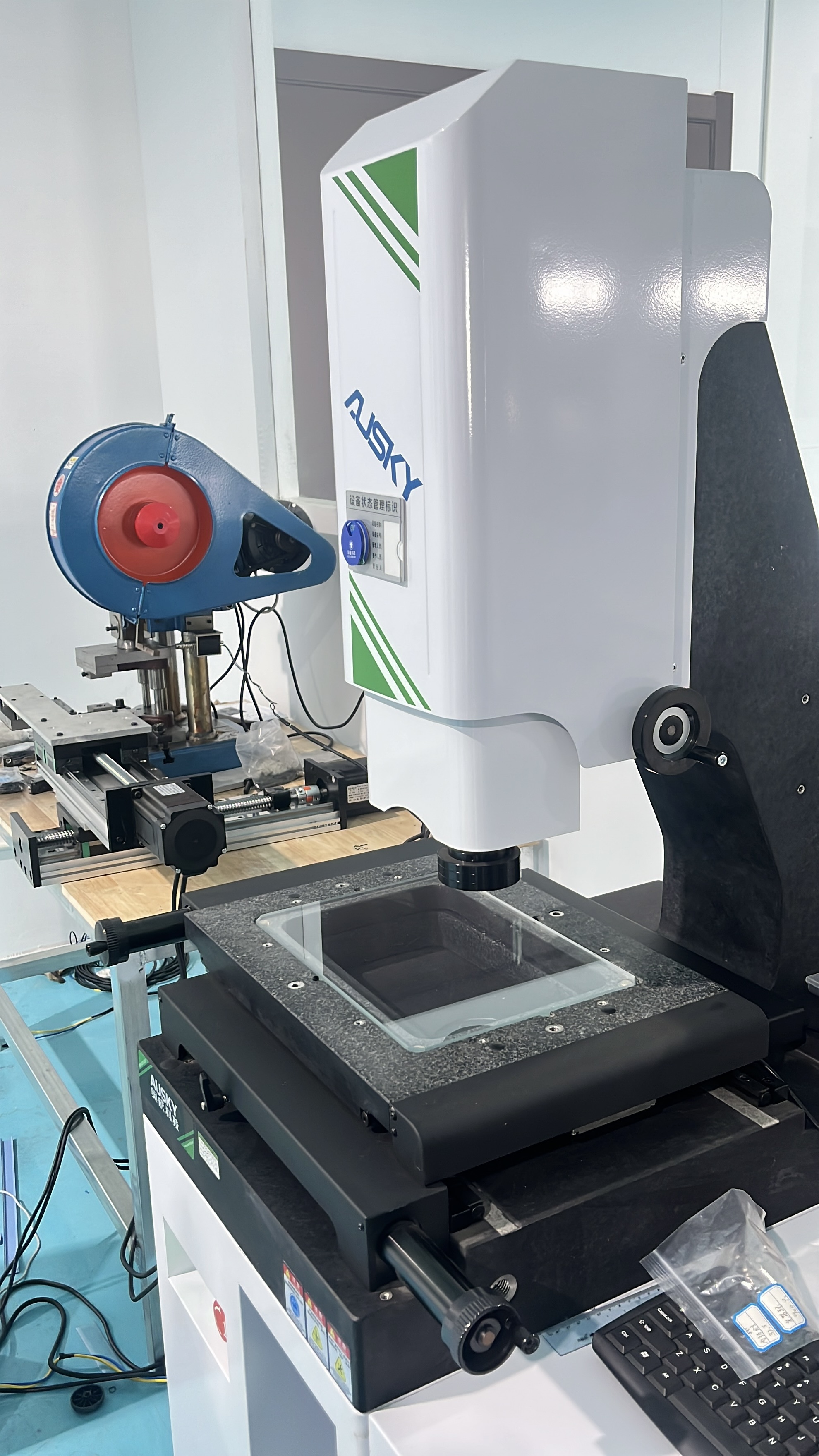
Precision inspection of brackets and bands: the interface dimensions that a wire ladder depends on are checked at this stage, not at the chair.
Why wire, plier and auxiliary decisions fail when they are made separately
Four coupling points decide whether a wire order works in practice.
- Dimension. The wire cross-section has to pass through the bracket slot or the buccal tube lumen it is threaded into, and the plier jaw has to accept that same section without deforming it.
- Process. Crimpable hooks are fixed to the arch wire itself; power chains and elastic ligatures anchor to a bracket tie-wing or to a lingual button. Every auxiliary has a mating part, and the mating part sits on a different line of the quotation.
- Instrument. A plier is only correct relative to a task and a component: cutting a section, crimping a hook, seating a band. A plier count per kit says nothing about task coverage.
- Documentation. Certificates carry a defined product scope. A document issued for one family does not automatically evidence another, even when both come from the same factory and the same shipment.
Each coupling is invisible on a quotation. A supplier can price four families accurately and still ship a set that does not work together, because no line item carries the interface. The buyer's control is the written specification: the interface dimension, the task list, and the document required per family.
Supplier-published information is a known weak link here rather than a hypothetical one. A 2024 peer-reviewed study by Meade et al. (indexed as PMC11050458) set out to assess the quality and accuracy of information contained within the websites of providers of marketed orthodontic products. The practical reading is narrow but worth applying: treat catalogue pages as a lead source, and take the specification from a document you requested.
What the standards fix, and what they leave to the buyer
Five references do most of the work when asking a supplier to prove a wire-and-instrument specification.
- ISO 15841:2014, Dentistry — Wires for use in orthodontics: the product standard to name when requesting wire test data.
- ISO 27020:2019, Dentistry — Brackets and tubes for use in orthodontics: requirements and test methods for the interface side of the system.
- ISO 13485:2016: the medical-device quality management system standard used as the reference in regulatory schemes, relevant to how production and change are controlled.
- ISO 10993-1:2018: the biological evaluation framework for devices that contact oral tissue.
- Market access. Regulation (EU) 2017/745 (MDR) applies from 26 May 2021 and requires CE marking through a conformity assessment appropriate to the device class. In the United States, orthodontic appliances are dental devices regulated under 21 CFR Part 872, with establishment registration and device listing under 21 CFR Part 807. The FDA Quality Management System Regulation, effective 2 February 2026, aligns 21 CFR Part 820 with ISO 13485:2016.
That stack does not cover the catalogue evenly. ISO 15841 addresses wires; ISO 27020 addresses brackets and tubes. For elastomeric ligatures, power chains, pliers and auxiliary attachments such as crimpable hooks and lingual buttons, ask which standard and test method each product is declared against, and accept a written supplier declaration where no product standard applies. A single ISO / CE / FDA line on a homepage does not answer that question family by family, and the 2026 QMSR date is a useful checkpoint for any supplier file assembled before it.
The four-block specification model
Block A — Arch wires: specify the sequence, not the SKU
Wire ordering fails most often because the buyer specifies a model code where the case needs a sequence. Lock these fields per model: the alloy or family designation exactly as the supplier declares it; cross-section and the order in which sections are used across the treatment sequence; arch form and upper or lower arch; the force or temper classification in the supplier's own terms, without translating one supplier's scale into another's; pack quantity and lot marking; and the standard the wire is tested against.
Yortho, a brand of YAM Global Limited with its own manufacturing facility in Asia, lists arch wires under four model families — Y-SS, Y-SN, Y-HN and Y-TMA — with stainless steel wire and nickel-titanium wire both named in the catalogue. Because a model code alone does not define alloy, temper or dimension, the purchase order should carry the datasheet value for the exact code rather than a generic family description. Reference ISO 15841:2014 in the request so the supplier knows which test basis the data is expected to follow.
Block B — Brackets, buccal tubes and bands: fix the interface first
The interface block converts the wire ladder into a slot and lumen requirement. Record the slot system and size, the prescription, the ligation method (self-ligating or tied with ligatures), the buccal tube configuration and lumen, and the band size set where bands are used. Order wire quantities only after this block is signed off.
The listed range includes the metal Y-M1 Mini Bracket; the Y-M2 Self-ligating Bracket and Y-M2 Mini Self-ligating Bracket; the Y-C2 Mini Self-ligating Ceramic Bracket, also catalogued as a clear bracket; buccal tubes Y-T1 and the self-ligating Y-T2; and molar bands Y-H6002. One rule matters more than the list: slot size is a property of the system, not of the brand, so a wire ladder that fits one system inside the same catalogue must still be confirmed against the next. Compatibility with bracket and buccal tube systems has to be stated per model in writing.
Block C — Pliers and instruments: specify tasks, not counts
A plier line item should read as a task: cut this wire section, crimp this hook, form this loop, seat this band, hold this tube. Yortho lists eleven plier models — Y-Q8001, Y-Q8005, Y-Q8008, Y-Q3001, Y-Q3002, Y-Q5001, Y-Q5005, Y-Q6015, Y-Q6018, Y-Q6026 and Y-Q6030 — plus Y-Q5010, catalogued as an orthodontic instrument rather than a plier.
Because model codes do not describe jaw geometry, take the task assignment for each code from the supplier's instrument chart and write it into the order. One cutter, one crimping plier and one forming plier per operatory set is a specification; a plier set is not. The hand-instrument range extends beyond pliers — Y-X101, Y-X104, Y-X201, Y-X202 and Y-X203 instruments, the Y-X303 mouth mirror and Y-OS1406 — and each has its own cleaning and reuse expectations that belong in the same document pack.
Block D — Auxiliaries: specify against the wire and the attachment site
Auxiliaries are specified by their mating part, because that is where they fail. For crimpable hooks — Y-F105L, Y-F105R, Y-F201, Y-F204 and Y-F102 — the controlling dimension is the wire diameter the hook is crimped onto, and the left/right designation in the model list means side and quantity should be ordered separately rather than pooled. For lingual buttons — Y-F303, Y-F305C, Y-F307 and Y-F308 — confirm the attachment route and the elastic or chain that will engage them. Power chains Y-S80101 and elastic ligatures Y-S80201 should be specified with size and pack quantity against the bracket type in use. Other auxiliary attachments are catalogued as Y-F314, Y-F321 and Y-F322.
Auxiliaries are usually the smallest line items on an order and the most frequent cause of a short case: they are consumed per case rather than per arch, so their reorder point follows patient starts, not wire consumption.
Compatibility matrix: what to lock, what to request, what fails if skipped
The matrix is the working summary of the four blocks. Each row is a separate order line, and the interface column is what makes the lines function as one system.
| Product family (listed models) | Interface to lock in the spec | Evidence to request | Failure if omitted |
|---|---|---|---|
| Arch wires — Y-SS, Y-SN, Y-HN, Y-TMA | Cross-section per step in the ladder; arch form; upper or lower arch | Test data referenced to ISO 15841:2014, or a written declaration of the method used | Wire will not seat, or seats but delivers the wrong force progression |
| Brackets, buccal tubes, bands — Y-M1 Mini, Y-M2, Y-M2 Mini, Y-C2 Mini, Y-T1, Y-T2, Y-H6002 | Slot system and size; ligation method; tube lumen; band size set | Specification referencing ISO 27020:2019; written per-model compatibility statement | Wire ladder built against a slot size the next system does not use |
| Pliers — Y-Q8001 to Y-Q6030 series | Task per model: cut, crimp, form, seat, hold | Task assignment from the instrument chart; export certificate naming the plier scope | Task coverage gaps; jaw damage to wire or auxiliary |
| Hand instruments — Y-X101, Y-X104, Y-X201, Y-X202, Y-X203, Y-X303, Y-OS1406 | Function per model; reuse and reprocessing expectation | Instrument list with materials and cleaning guidance | Instrument set that does not match the procedure mix |
| Crimpable hooks — Y-F105L, Y-F105R, Y-F201, Y-F204, Y-F102 | Wire diameter to be crimped; left or right designation | Dimensional chart per hook code | Hook loosens or deforms the arch wire on the wrong section |
| Lingual buttons — Y-F303, Y-F305C, Y-F307, Y-F308 | Attachment route; mating elastic or chain | Per-code specification sheet | Traction set-up that cannot be engaged as planned |
| Power chains and ligatures — Y-S80101, Y-S80201 | Size, pack quantity, bracket type engaged | Supplier declaration of size and packing | Consumable shortfall mid-treatment; unsuitable engagement |
| Other auxiliary attachments — Y-F314, Y-F321, Y-F322 | Attachment site and mating component | Per-code specification sheet | Auxiliary ordered as a generic add-on rather than a specified part |
Step-by-step: building the order
- Convert the case mix into a wire ladder. Take the two or three case types that make up most of your volume and write the sequence of wire sections each one uses. The ladder, not the SKU count, becomes the unit of ordering and the basis of stock planning.
- Sign off the interface before wire quantities. Slot size, tube lumen and band set are fixed first. Any change to the bracket or buccal tube system reopens the wire ladder, so treat it as a re-specification rather than a substitution.
- Build the plier task list. Map every step in the ladder to a task, and every task to a model from the instrument chart. Count operatory sets, not pliers.
- Attach auxiliaries to their mating part. State the wire diameter for crimpable hooks, the attachment route for lingual buttons, and the bracket type for chains and ligatures.
- Assemble a document pack per family. One document per family, each naming the product scope it covers.
- Bench-check the interface on samples. Fit the wire into the actual slot or lumen, run the intended plier over the section, crimp a hook onto the wire you ordered, and check marking and lot labels against the specification. A sample that fits is evidence about the interface; a photograph is not.
- Write acceptance criteria and terms into the order. Name pre-shipment testing as the acceptance criterion, state the delivery term (FOB or CIF) and the payment structure, and require lot marking on the packing list so a later complaint can be traced to a batch.
Documents and acceptance criteria per family
Each family needs its own evidence. For wires, request test data referenced to ISO 15841:2014, or a written declaration of the standard and method actually used. For brackets, buccal tubes and bands, the reference is ISO 27020:2019. For pliers, request the export or registration document that names the scope, and read the scope text before filing it.
Yortho's documentation shows why the scope check matters. The company states ISO, CE (MDR) and FDA certification; the FDA registration is listed as 3030680214 under 21 CFR Part 807, issued 27 February 2024 with a listed expiry date of 31 December 2026, so a US-bound order placed after that date should be evidenced by a renewal rather than an archived PDF. The Certificate for Exportation of Medical Products on file is narrower: number Zhehang Food & Drug Admin Medical Device Export 20250496, issued by the Zhejiang Medical Products Administration on 9 June 2025 and valid to 8 June 2027, with a stated scope of Orthodontic Plier. That document evidences pliers. It does not evidence wires or auxiliaries, and the registration scope text should be checked against the exact family before a US shipment relies on it.
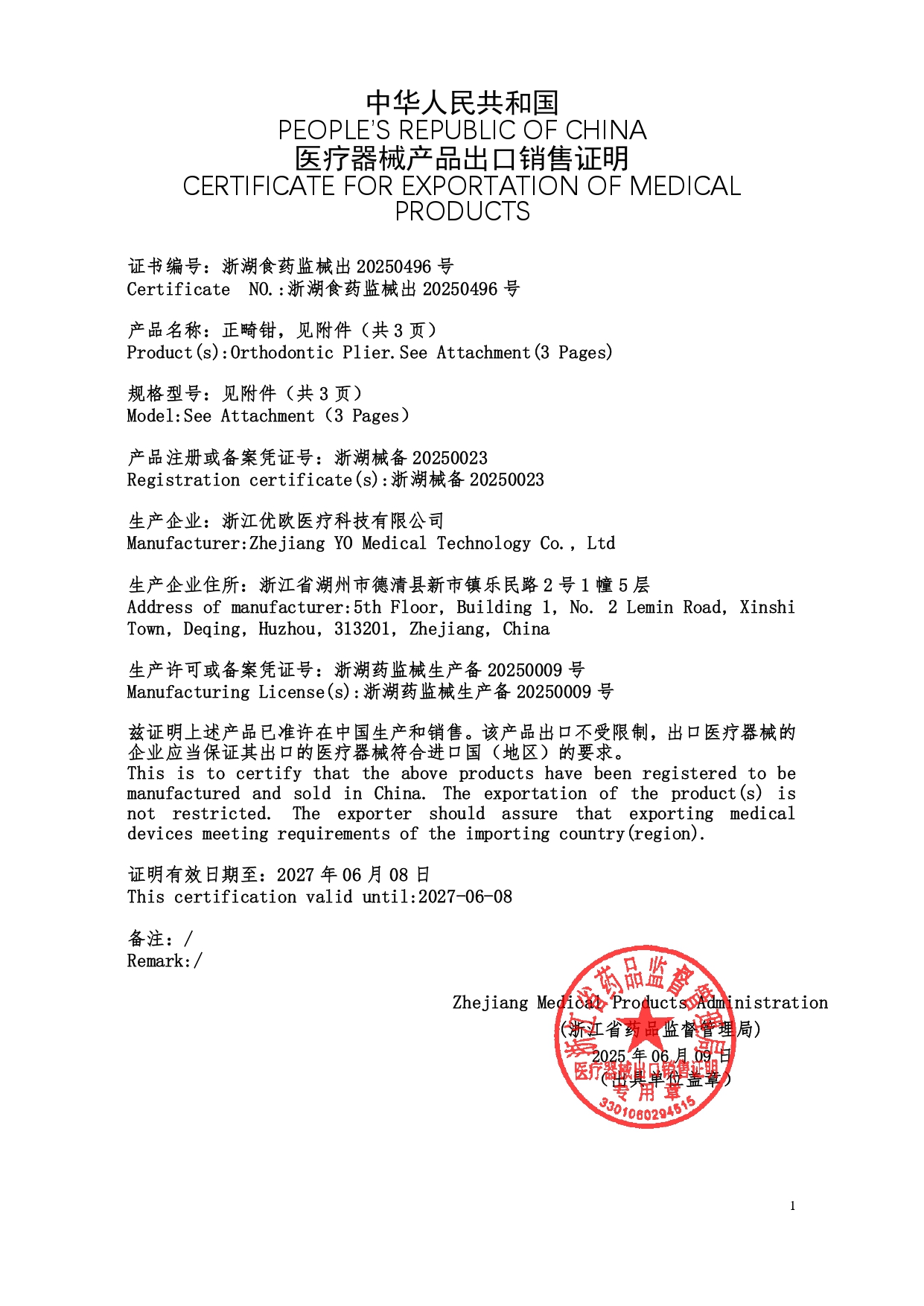
Certificate for Exportation of Medical Products, scope Orthodontic Plier — evidence for one family, not for the whole catalogue.
Production evidence belongs in the same file as the certificates. Yortho states 100% testing, and the production documentation covers wire-cut EDM, polishing and precision inspection of brackets and bands — the process steps that determine whether the interface dimensions specified in block B survive volume production. Where a supplier cannot show an equivalent process record, treat the dimensional data as unconfirmed.
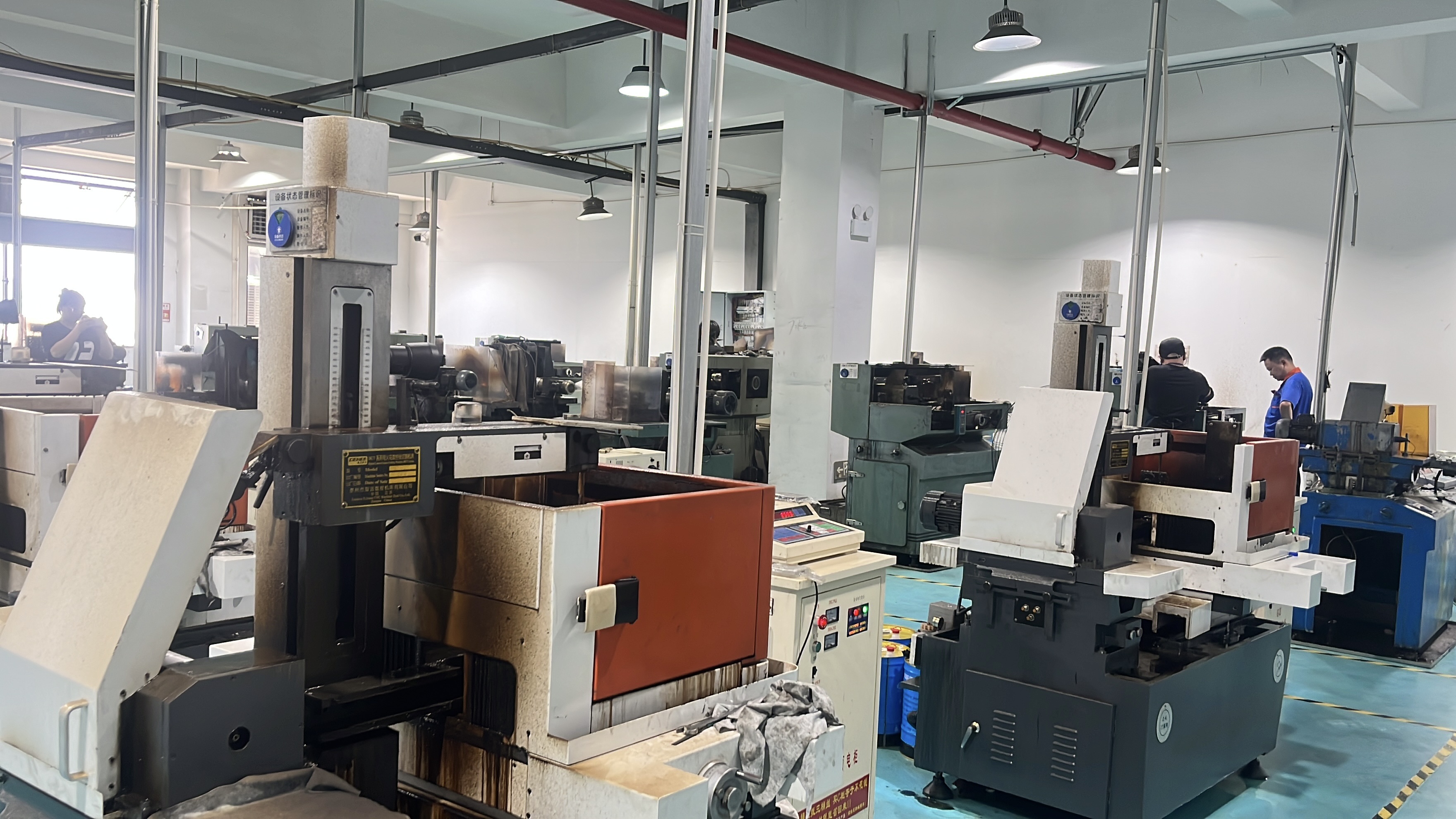
Wire-cut EDM: a production step that sits between the approved drawing and the shipped instrument.
Three situations where this workflow changes the order
1. A distributor assembling a private-label kit. When the shortlist runs from brackets through wires to auxiliaries, consolidation under one OEM/ODM programme is practical: Yortho lists customization of package, logo, tag and product, and marking on the bracket base is part of production. The specification work does not disappear — the wire ladder and the plier task list still have to be written, and each private-label document has to be confirmed line by line, including which certificates remain in the manufacturer's name. Yortho's recorded supply context includes a distributor programme of 5,000 units across a relationship of one to three years with 18 country codes listed, and a two-year, 3,000-unit programme with an Indonesian dental hospital, both recorded with consistent product performance against local clinical requirements.
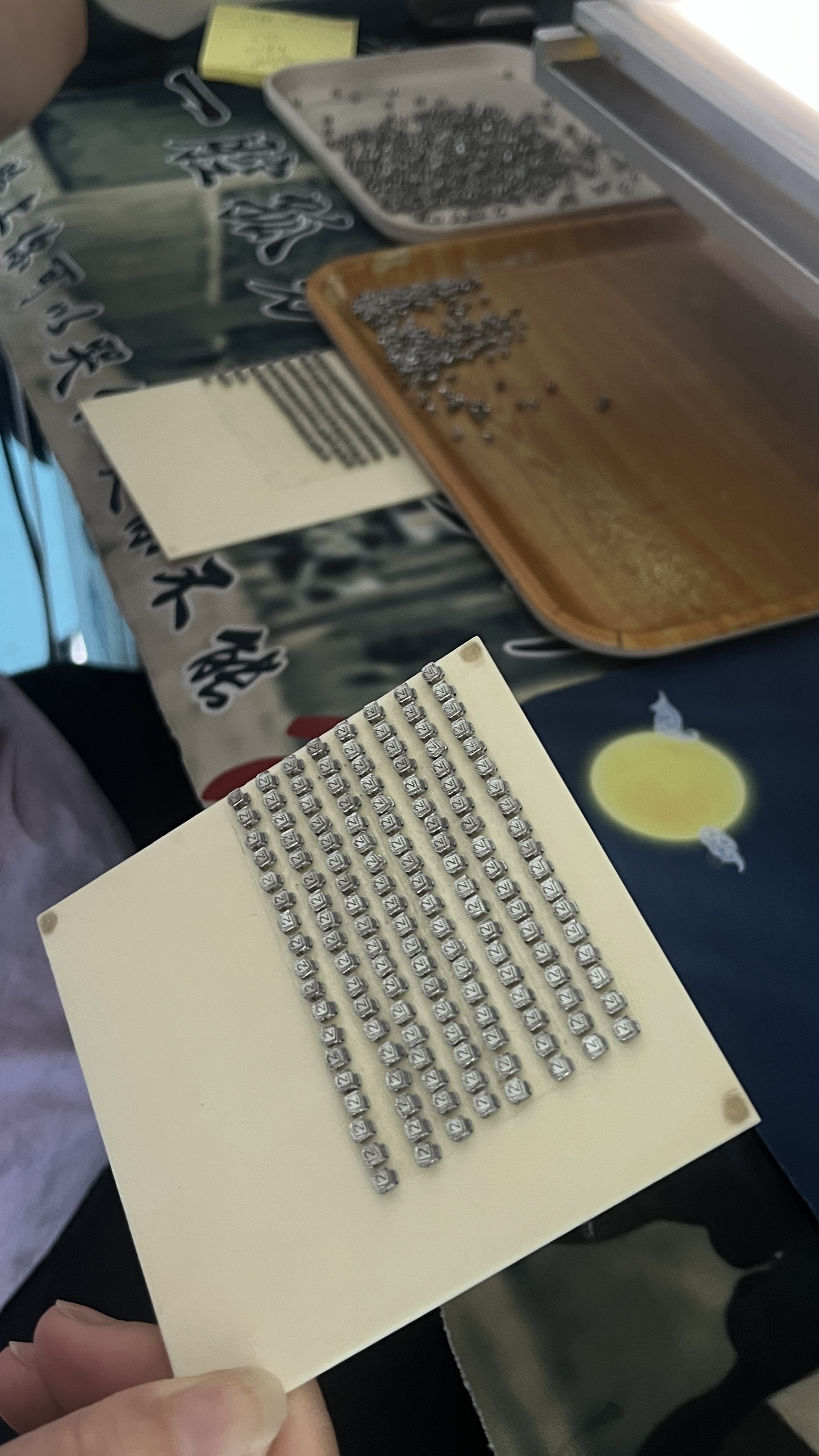
Marking on the bracket base: a private-label specification point that has to be confirmed before tooling, not after.
2. A clinic group standardizing operatory sets. Here the order becomes sets rather than SKUs: one plier task list per operatory, one wire ladder, auxiliaries counted per case type. Consolidating shipments lowers freight; the counter-risk is a single large lot, which is mitigated by pre-shipment testing and lot marking rather than by splitting the order.
3. A system change mid-relationship. If the bracket or buccal tube system changes, both the wire ladder and the crimping plier are back in scope, and usually the lingual buttons as well. Reopening blocks B to D costs a document revision; discovering the mismatch chairside costs a case.
Order structure and cost drivers
The cost of an orthodontic order is driven by five variables, none of which is visible in a unit price: the number of wire ladders in the case mix; the number of plier tasks per operatory set; the auxiliary attachment type, because a crimpable hook and a welded attachment need different instruments and different chair time; the depth of customization across packaging, logo, tag and product; and the freight mode.
Minimum order quantity is not one figure across a catalogue of this breadth. Stocked standard items, ODM rebranding and full OEM production are quoted under different thresholds, so confirm the threshold for each line item instead of assuming a quantity tier. Payment follows the same logic: Yortho's stated terms are T/T in advance, with a 30% deposit and 70% before shipment for orders above USD 10,000, and PayPal or Alipay accepted for small sample orders. Under FOB or CIF terms, import duties and taxes in the destination country remain the buyer's responsibility. Published transit times after production are 3 to 7 business days by express courier, 7 to 12 days by air, 25 to 40 days by sea and 20 to 30 days by rail where that route is available.
Frequently asked questions
Which certificate should a buyer request for arch wires, pliers and auxiliaries, and does one document cover all three?
No single document covers all three families. Yortho holds ISO, CE (MDR) and FDA registration, with the FDA registration listed as 3030680214 under 21 CFR Part 807, issued 27 February 2024 and expiring 31 December 2026. The Certificate for Exportation of Medical Products on file, number Zhehang Food & Drug Admin Medical Device Export 20250496 from the Zhejiang Medical Products Administration, is valid from 9 June 2025 to 8 June 2027 but states a scope of Orthodontic Plier. Request the document that names the exact family, and confirm renewal status before an order ships against a document near its expiry.
Can Yortho supply a private-label programme that combines metal brackets, arch wires, pliers and auxiliaries?
Yes. Yortho lists OEM and ODM production with customization of package, logo, tag and product, and marking on the bracket base is part of the documented production scope. The supporting base is a 5,000 m² facility with 100 employees, a 20-engineer R&D team and stated annual output of 30,000,000 units, exporting about 80% of production to markets including the EU, USA, Middle East, Australia and Africa. Because MOQ differs between stocked standard items, ODM rebranding and full OEM builds, the threshold should be confirmed per line item rather than assumed.
How are payment and delivery terms structured for a mixed order?
Yortho's stated terms are bank transfer (T/T), with 100% in advance as the standard arrangement and a 30% deposit plus 70% before shipment for orders above USD 10,000. PayPal or Alipay is accepted for small sample orders. Delivery terms are FOB or CIF, under which import duties, taxes and clearance fees in the destination country are the buyer's responsibility. Pre-shipment testing is the acceptance criterion to write into the order, alongside lot marking on the packing list.
Can we sample wires, pliers and auxiliaries before the first order?
Yes. Most samples are supplied free of charge, with high-cost items such as pliers and self-ligating brackets excluded, and the buyer covering courier cost. If you have a DHL, FedEx or UPS account the shipment can go freight collect; otherwise the address and postcode are used to quote freight. Send the wire model list, the plier task list and the auxiliary codes with your shipping address to info@yortho.com, and the sample set can be checked against the actual interface dimensions rather than against a catalogue image.
What lead time should we plan for stocked versus production orders?
For standard products held in stock, Yortho states that orders can be packed and dispatched within three business days after payment confirmation. The published production lead time is 3 to 7 days for made-to-order work. Transit then depends on the mode: 3 to 7 business days by express courier, 7 to 12 days by air, 25 to 40 days by sea and 20 to 30 days by rail for the regions where rail is available. Confirm the destination country and postcode to fix the routing before committing to a launch date.
Conclusion
Arch wire, plier and auxiliary selection is one decision expressed in four line items. Fix the interface, write the ladder, assign plier tasks, attach auxiliaries to their mating parts, evidence each family with its own document, and check the interface on a sample before the volume order. Price, MOQ and freight are negotiated after that — and they negotiate better once the specification is unambiguous, because the supplier is quoting a defined requirement instead of a product category.
Next step: the Yortho product brochure, including the arch wire, plier, instrument and auxiliary ranges, can be downloaded here: Yortho product brochure (PDF). For a specification review, contact info@yortho.com with your wire ladder and plier task list.
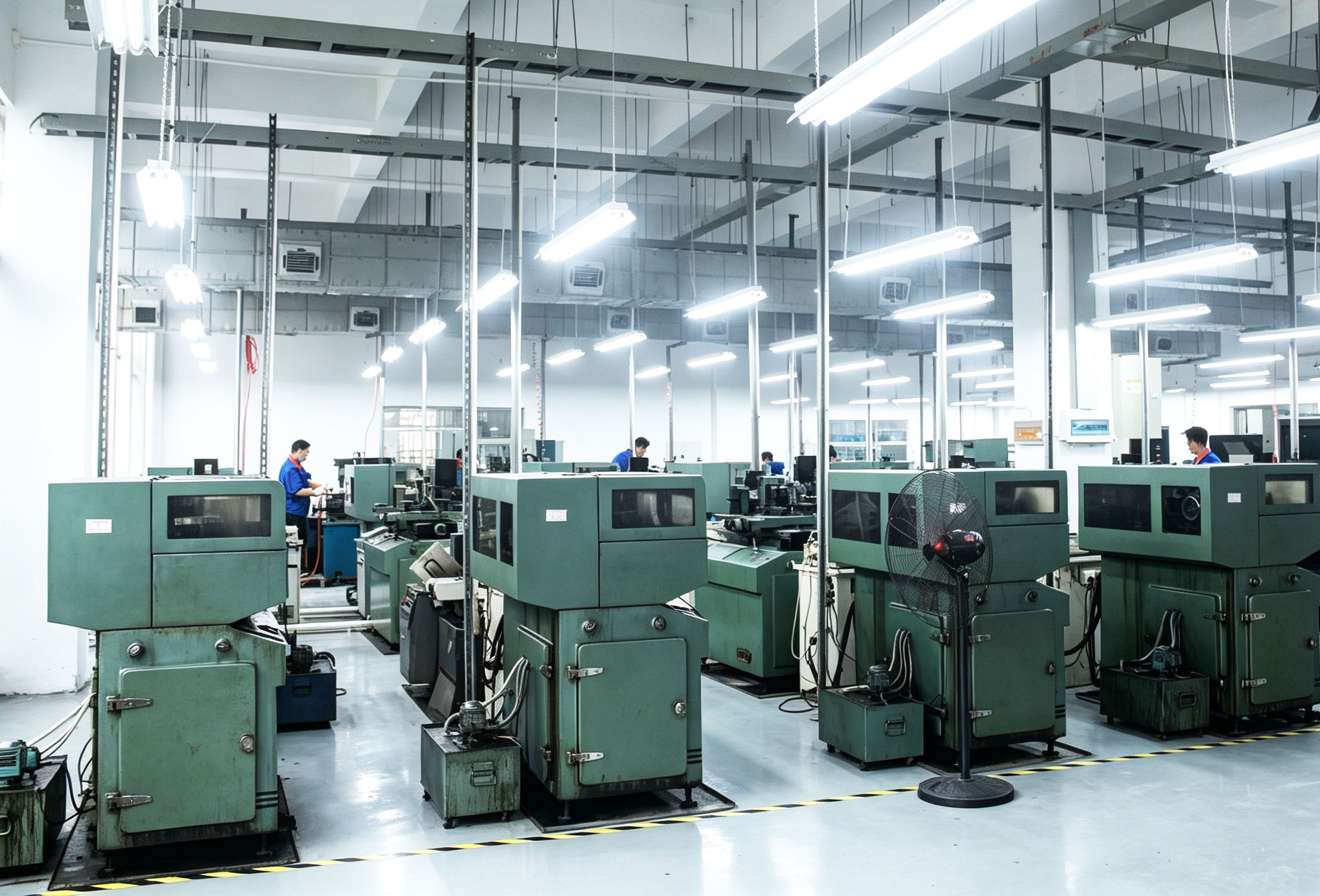
Shared operating area: where sample sets for wire, plier and auxiliary checks are prepared before dispatch.
Have Questions or Need More Details?
Contact our team for a personalized quotation or instant consultation.
Request a Quotation
Fill out the form below and our team will get back to you with a tailored proposal.
WhatsApp Direct Chat
Prefer to chat in real-time? Message us on WhatsApp for instant assistance & quick answers.
- Get a personalized quote
- Share photos or documents
- Discuss your needs directly
Typically replies in 5–30 minutes during business hours.