
Understanding Orthodontic Instrument Compliance: Navigating Key Standards
Orthodontic instrument compliance is the ability to prove — with documents, not adjectives — that a mirror, plier, band or bracket meets the quality and safety benchmarks of the market where it will be used. For buyers, that reduces to one practical question asked at every stage of evaluation: can the supplier put the right paper in front of the right authority, for the right product model, before the goods ship?
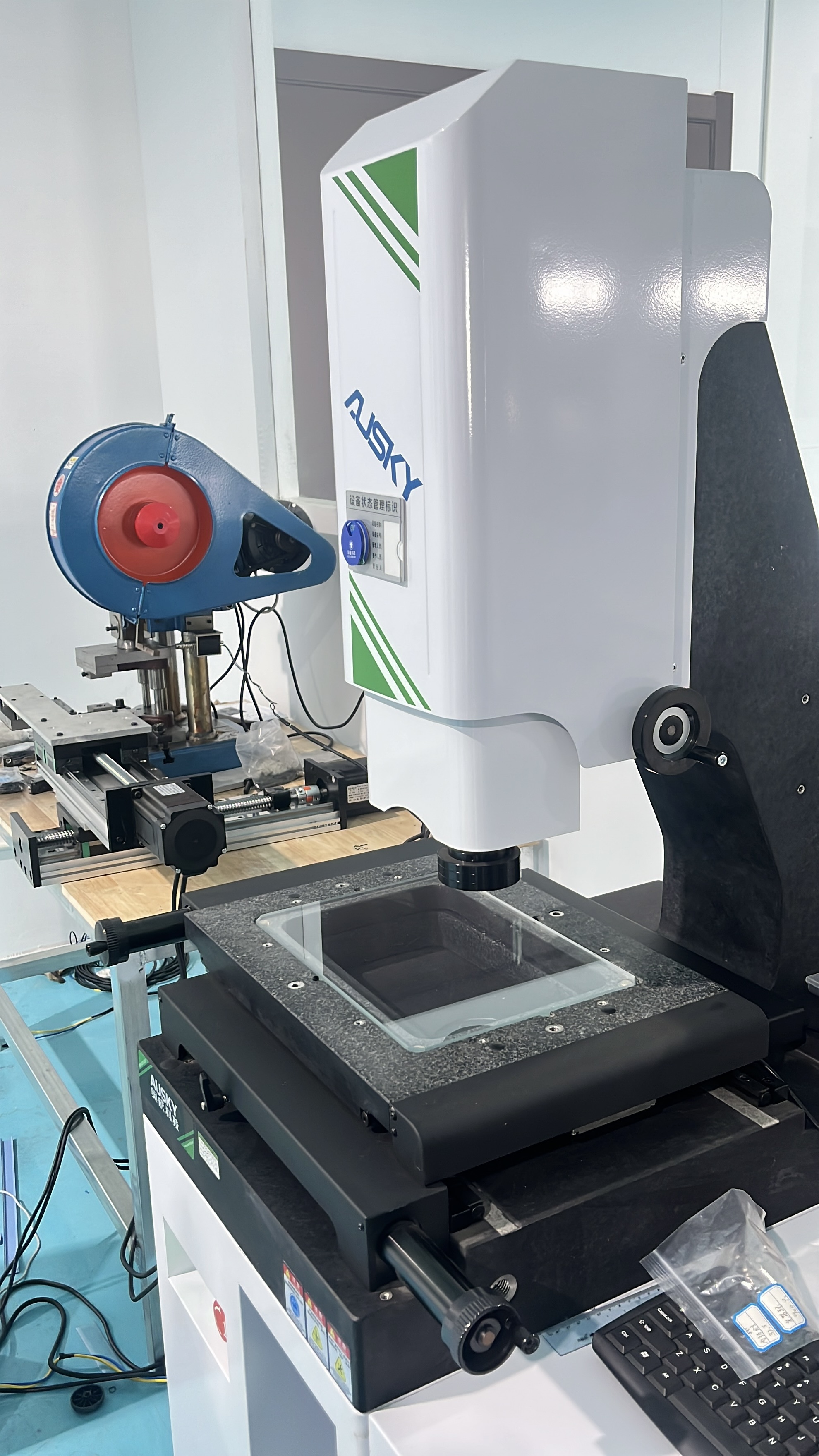
Precision inspection at the production stage — the evidence layer that compliance documentation is meant to describe.
This guide is written for procurement teams, distributors, hospital buyers and clinic groups who are comparing orthodontic instrument suppliers during evaluation. It explains what compliance means for reusable dental instruments, how the regulatory landscape is organised, and which documents a buyer should request before releasing a purchase order. It deliberately avoids repeating any single vendor's certificate list: the objective is a verification method you can apply to every supplier on your shortlist.
Problem Definition: Why Instrument Compliance Is Usually Verified Too Late
Most sourcing teams can compare brackets and arch wires on measurable attributes — slot size 18 or 22, alloy type, torque options, surface finish. Orthodontic instruments such as mouth mirrors, tweezers, cutters and pliers are typically treated as low-value accessories and are evaluated mainly on price and delivery speed. That is precisely where compliance risk enters a project.
Instruments carry a different risk profile from consumables, and buyers who ignore that difference discover it late:
- Instruments are reused. A plier, mirror or needle holder is sterilised and reused across many patients, so material stability, hardness retention and sterilisation tolerance matter far more than they do for a single-use elastic ligature.
- Instruments contact tissue. Intra-oral mirrors and lingual instruments enter the oral cavity, which makes material safety, surface integrity and residue control relevant purchasing criteria rather than clinical afterthoughts.
- Instruments appear in tender and registration files. Hospital tenders and distributor onboarding packs frequently demand instrument-level documentation, not only consumable documentation.
- Instruments are the easiest line to substitute. Because they look similar across suppliers, a documentation gap is often only detected at customs clearance or during a hospital audit — after the goods have been produced.
Three failure patterns account for most problems buyers report. First, scope mismatch: a certificate exists, but it covers a different product family or a different manufacturing site from the one shipping the order. Second, validity and format issues: the document has expired, or it is issued in a language the importing authority does not accept. Third, the traceability gap: the shipped goods carry no lot or model marking that can be connected back to the document, so the paperwork cannot be tied to the physical product.
Industry Background: How Orthodontic Instruments Are Regulated
Orthodontic supply is a growing, supply-dense market, and that combination is what pushes documentation discipline up the buyer's agenda. The global orthodontic supplies market was valued at USD 14.8 billion in 2024 according to Global Market Insights, while Grand View Research valued the narrower consumables segment at USD 3.1 billion in 2024, projected to reach USD 4.3 billion by 2030. Straits Research reported that North America held approximately 38.4% of the orthodontic market in 2025, and Grand View Research notes that orthodontic clinics and standalone practices represent over 50% of the end-user distribution channel.
The supply side has expanded in parallel. China exported approximately USD 12.7 billion in medical instruments (HS 9018) in 2025, according to OEC data, and Chinese dental instrument exports grew 23.99% year-on-year in January–February 2024. More suppliers in the market makes comparative verification more valuable, not less.
The regulatory layer
Regulatory requirements for orthodontic instruments and devices operate at several levels, and buyers benefit from separating them clearly:
- Quality management system level. ISO states that medical device quality systems must be certified to ISO 13485:2016 for international market access. The US FDA has explicitly recognised ISO 13485:2016 as the primary basis for its Quality Management System Regulation.
- Market access level. The EU Medical Device Regulation (MDR 2017/745) is mandatory for orthodontic brackets to receive CE marking, per the European Commission. The US FDA classifies orthodontic brackets as Class II medical devices requiring 510(k) clearance.
- Audit-programme level. The Medical Device Single Audit Program (MDSAP) allows a manufacturer to satisfy quality management system requirements across five major jurisdictions — Australia, Brazil, Canada, Japan and the United States — through a single audit.
The material and performance layer
Material selection is where regulation meets clinical practice. Stainless steel remains the most widely used material for orthodontic arch wires and brackets globally, and Grand View Research identifies stainless steel as the industry standard material for orthodontic pliers and instruments. Nickel-Titanium alloys are preferred where shape memory and super-elasticity are required. At the same time, medical literature referenced in market analysis identifies nickel and chromium as the primary allergens of concern in metal orthodontic components — a point that makes material declarations and biocompatibility evidence genuinely decision-relevant.
Performance parameters matter too, and they are verifiable. Orthodontic instruments such as bracket tweezers are typically autoclavable up to 134°C, while cutting pliers are commonly specified with hardness in the HRC 50–63 range and a maximum sterilisation temperature of 180°C, depending on the instrument type. A buyer who knows these reference values can ask precise questions instead of general ones.
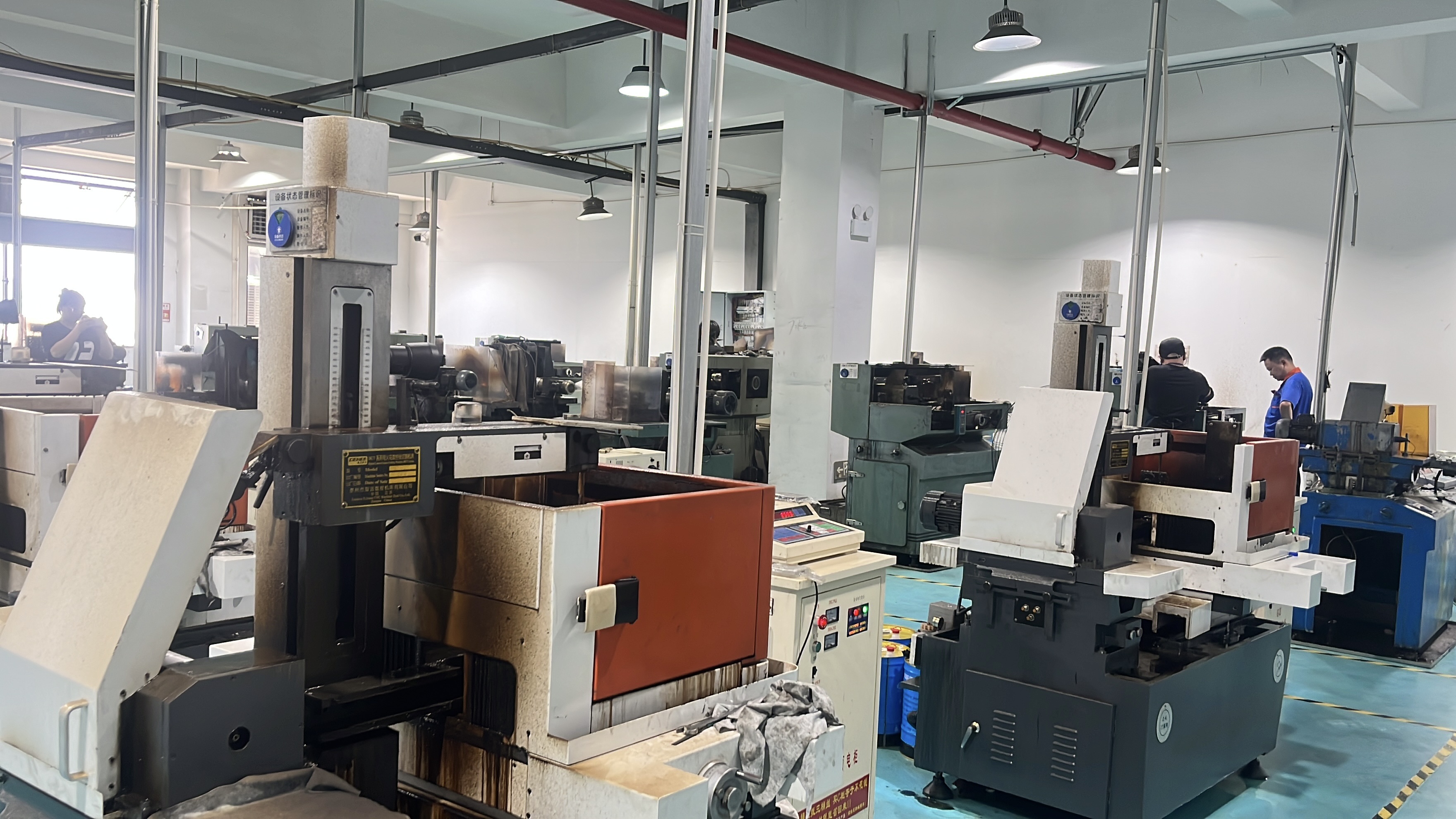
Precision forming is the first point where a manufacturer's process discipline becomes documentable.
The Document Set Buyers Should Request
The most reliable way to evaluate a supplier is to request a structured document pack rather than a single certificate. The following categories cover what an evaluation-stage buyer should ask for, in the order in which the documents are normally reviewed.
1. Manufacturer identity and facility documentation
Ask for the legal entity name, manufacturing site address and the scope of activities carried out at that site. This establishes whether the supplier is a direct manufacturer or a trading intermediary, and whether the site that will produce your order is the site named in the quality documents. Yortho, for example, is a UK brand operated under YAM Global Limited, with its own manufacturing facility in Asia — a structure buyers should verify in writing rather than assume.
2. Quality management system evidence
Request the quality management system certificate, then check three things: the certificate's scope statement, its validity dates, and the issuing body. The scope must name the product families you are buying. A certificate covering one product family does not automatically extend to another.
3. Product-level conformity and market registration
For each model you intend to order, request the product-level registration or listing evidence applicable to your destination market, together with the manufacturer's declaration of conformity. The key question is not whether a document exists, but whether it names your specific product category for your specific market.
4. Material and biocompatibility documentation
Ask for material grades and, where the market requires it, biocompatibility evidence. Given that nickel and chromium are the primary allergens of concern in metal orthodontic components, and that instruments are reused in the oral cavity, this is a material-selection question as much as a paperwork question. Ceramic components such as ceramic bondable lingual buttons are specified as an alternative material class where aesthetic or material considerations dominate.
5. Test and inspection records
Request the manufacturer's inspection regime and sample records. A 100% test quality control approach — where every unit is checked before shipment rather than sampling at the end of a batch — is a materially different commitment from batch sampling and should be documented as such. Dimensional checks, hardness verification and surface inspection records are the typical components of this evidence layer.
6. Traceability, marking and labelling
Ask how units are marked and how the mark connects to production records. Marking applied to the product body, such as identification marking on a bracket base, exists so that a shipped unit can be traced back to a production lot and therefore to the corresponding inspection record. Without a marking convention, documentation cannot be tied to physical goods.
7. Post-market support and complaint handling
Request the supplier's procedure for handling complaints, returns and technical questions after delivery. Remote after-sales support is the practical mechanism most export-oriented suppliers use, and buyers should confirm the response route — email, messaging application, or a named account contact — before the first order rather than after the first problem.
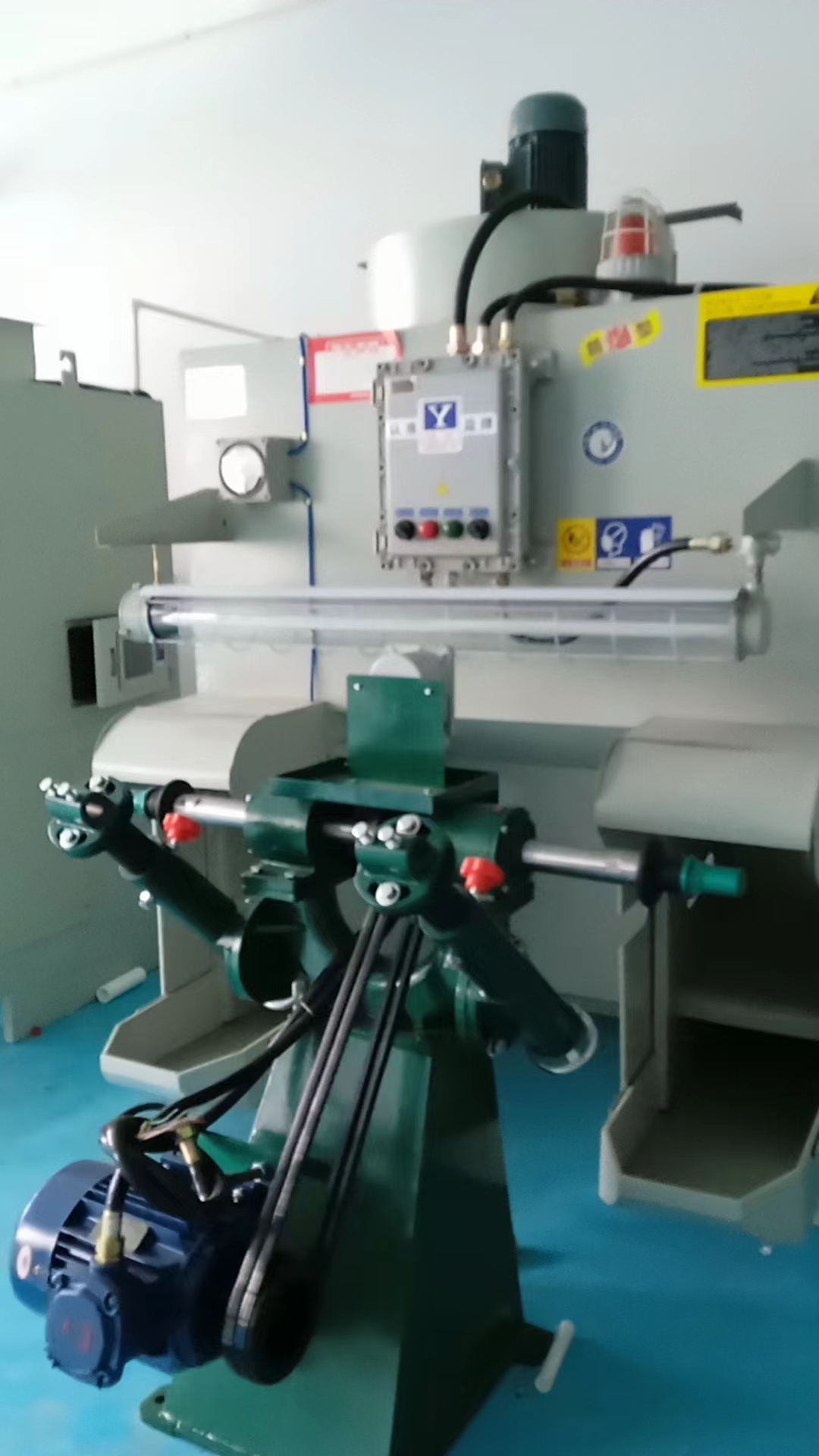
Surface finishing is a compliance-relevant step: it affects instrument surface integrity and repeat sterilisation behaviour.
Step-by-Step Breakdown: A Six-Step Verification Workflow
Evaluation-stage buyers can apply the same sequence to every supplier on a shortlist. The sequence below is designed so that gaps are found before production, not after shipment.
Step 1 — Define the requirement set before requesting anything
Write down the destination market, the importing entity, the product categories and the intended use. Every later document check is measured against this statement. Suppliers cannot be compared fairly against an undefined requirement.
Step 2 — Issue a written request keyed to model numbers
Request documents by model, not by category. A request such as "documentation for your instrument range" produces a generic answer; a request listing specific models — for example a light wire cutter, a distal end cutter, a Mathieu needle holder without hard tip, or an intra-oral mirror in large, small, occlusion and lateral variants — produces a checkable one.
Step 3 — Cross-check scope, validity and authority
For each document received, verify that the product scope matches your order, the validity period is current, and the issuing authority is recognised in your market. Documents that fail any of these three tests should be treated as absent.
Step 4 — Validate with samples and bench checks
Documentation describes intent; samples demonstrate it. Check dimensional accuracy, joint integrity, cutting performance and behaviour after repeated autoclave cycles. For instruments specified at a maximum sterilisation temperature of 180°C and autoclavable up to 134°C, confirm the figures against your own sterilisation protocol.
Step 5 — Verify at source when volume justifies it
For larger programmes, a factory visit or a remote audit resolves questions that paperwork cannot — production environment, inspection stations, stock control and packaging. A 5,000 m² facility with dedicated inspection stages presents differently from a trading office, and the difference is worth confirming.
Step 6 — Lock documentation into the agreement
Attach the agreed document set to the purchase agreement, with the model list and revision dates, and require lot-level records with each shipment. This converts compliance from a one-time check into a repeatable purchasing condition.
Use Cases: What Compliance Documentation Looks Like in Real Projects
Two completed projects illustrate how the workflow above behaves in practice.
Multi-country distributor programme
A distributor project supplied 5,000 units for orthodontic applications across a client base spanning the United Kingdom, United States, Italy, France, Germany, Egypt, Spain, Australia, Canada, Qatar, Saudi Arabia and additional markets. The implementation ran over one to three years. The reported outcome was favourable clinical feedback, consistent product performance, and compliance with the clinical requirements of local hospitals. In a programme spanning that many jurisdictions, the documentation pack — not the unit price — is what determines whether each shipment can clear and be accepted by each hospital.
Dental hospital supply in Indonesia
A dental hospital in Indonesia adopted a self-ligating bracket system for orthodontic treatment, with a project scale of 3,000 units completed within two years. The reported result was favourable clinical feedback and stable product performance that met local hospital clinical requirements. The hospital's selection criteria were clinical and documentary simultaneously: acceptable performance plus evidence that the product matched the institution's procurement rules.
Comparison Table: Documentation Matrix for Orthodontic Instrument Evaluation
The table below summarises the document categories discussed above, what each one demonstrates, and the risk that appears when it is missing.
| Document category | What it demonstrates | Risk if missing |
|---|---|---|
| Manufacturer identity and site documentation | Which legal entity and which site produce the goods | Documents name a site that did not make the order |
| Quality management system certificate | Certified quality system per ISO 13485:2016 | Market access blocked; tender disqualified |
| Product-level conformity / market registration | Model-specific compliance with the destination market requirement (e.g. EU MDR 2017/745 or FDA Class II expectations) | Customs hold; retrospective re-documentation |
| Material and biocompatibility records | Material grade and safety, relevant where nickel and chromium are allergens of concern | Clinical risk and rejection in sensitivity-conscious markets |
| Test and inspection records | 100% test quality control and dimensional / hardness verification | Batch variation discovered only after delivery |
| Traceability and marking | Link between a shipped unit and its production lot | Documents cannot be tied to physical goods |
| Post-market support procedure | Complaint handling and remote after-sales route | Issues unresolved; relationship damage |
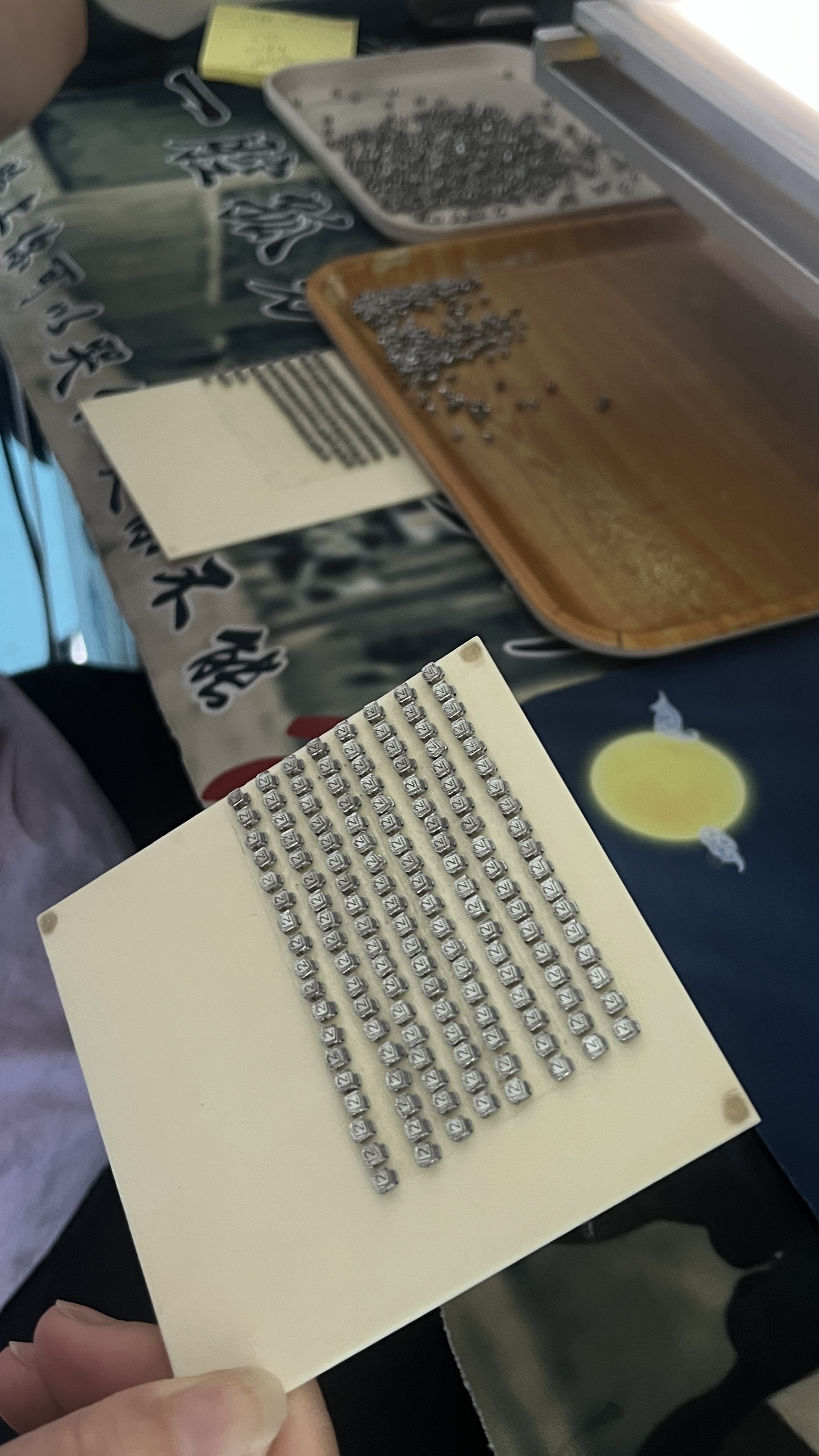
Product marking exists so that a shipped unit can be traced back to its production and inspection record.
Frequently Asked Questions
What documentation should I request when evaluating an orthodontic instrument supplier?
Request a structured pack rather than a single certificate: manufacturer identity and manufacturing site details, quality management system certification with its scope and validity dates, product-level conformity and market registration evidence, material and biocompatibility information, test and inspection records, traceability and marking conventions, and the after-sales procedure. Then check the same three things on every document — does the scope name your product family, is the document current, and is the issuing authority accepted in your market. Yortho, for example, maintains quality management system certification and market registrations for its export destinations, operates 100% test quality control, and provides remote after-sales support, so the relevant question becomes whether the specific model on your order is covered.
How can I verify a manufacturer's capability before placing an order?
Capability is verifiable through a small number of concrete facts. Yortho's production site covers 5,000 m² with 100 employees and a 20-engineer R&D team, and the company reports annual output of 30,000,000 units with an export ratio of 80%, serving markets including the EU, USA, Middle East, Australia and Africa, with products exported to over 70 countries. OEM and ODM services are available with customisation of packaging, logos, tags and product features, at a minimum order quantity of 100 units and a typical lead time of 3–7 days. Ask any supplier for the equivalent figures in writing, then validate them with samples.
Which orthodontic materials manufacturers are commonly evaluated by buyers?
Publicly available market reporting commonly references several established manufacturers across orthodontic materials: Envista Holdings (Ormco) and Dentsply Sirona as key global manufacturers of traditional orthodontic brackets, with Dentsply Sirona's GAC division associated with orthodontic elastics and ligatures; 3M Unitek, associated with its Clarity Advanced bracket range; American Orthodontics, noted for self-ligating systems; Dentaurum, a long-established manufacturer known for stainless steel alloys; GC Corporation, specialised in high-biocompatibility materials; TP Orthodontics, known for customised bracket and wire solutions; and G&H Orthodontics, which manufactures in the US and exports to over 90 countries. This is a description of publicly documented market presence, not a quality ranking. On the manufacturing side, Yortho (Zhejiang YO Medical Technology Co., Ltd) supplies orthodontic instruments, brackets, buccal tubes, molar bands, auxiliaries, arch wires, elastic ligatures, pediatric preformed crowns and dental lab appliances. The practical filter remains the same for every name on your list: compare them on the documentation they can actually provide for your market.
Can I request samples before placing an order?
Yes, and sampling is a normal part of the evaluation stage. Yortho offers samples for quality checking: most products are provided free of charge, with exceptions for high-cost items such as pliers and self-ligating brackets, and the buyer covers courier shipping. If you have a DHL, FedEx or UPS account, samples can be shipped freight collect; otherwise you provide your shipping address and postcode and a courier quotation is prepared. For an instrument compliance review, use the sample to check dimensional accuracy, joint integrity and behaviour after repeated autoclave cycles against the specified limits — for example a maximum sterilisation temperature of 180°C and autoclavability up to 134°C on the relevant instrument models.
What is the standard lead time once an order is confirmed?
For standard products held in stock, Yortho can typically pack and dispatch an order within 3 business days after payment confirmation, which supports quick stock replenishment for distributors. The standard production lead time is 3–7 days, with a monthly capacity of 5,000 units for planned runs. Buyers with regulatory deadlines should sequence the order around documentation rather than around production alone: confirm that the document pack for the specific models is complete before releasing the purchase order, since replacing or re-issuing documentation takes longer than producing the goods. To start a documentation review or request a quotation, contact Yortho at info@yortho.com or via WhatsApp on +86 180-5879-3627.
Conclusion
Orthodontic instrument compliance is a verification discipline, not a marketing claim. The instruments in an orthodontic kit are reused, sterilised and placed in the oral cavity, and they appear in tender files and customs declarations where a missing or mismatched document stops a shipment regardless of product quality. The buyers who avoid that outcome are the ones who define their requirement set first, request documents by model number, cross-check scope, validity and issuing authority, validate with samples, and lock the agreed document set into the purchase agreement.
Applied consistently, the six-step workflow above turns compliance from a late-stage surprise into a routine purchasing condition — and turns supplier comparison from a price conversation into an evidence conversation.
Request the documentation pack or a sample set
Yortho supplies orthodontic instruments and consumables to distributors, dental hospitals and clinic groups, with 100% test quality control and remote after-sales support. Send your destination market and target model list, and we will return the applicable documents for review.
Email: info@yortho.com | WhatsApp: +86 180-5879-3627 | Website: www.yortho.com
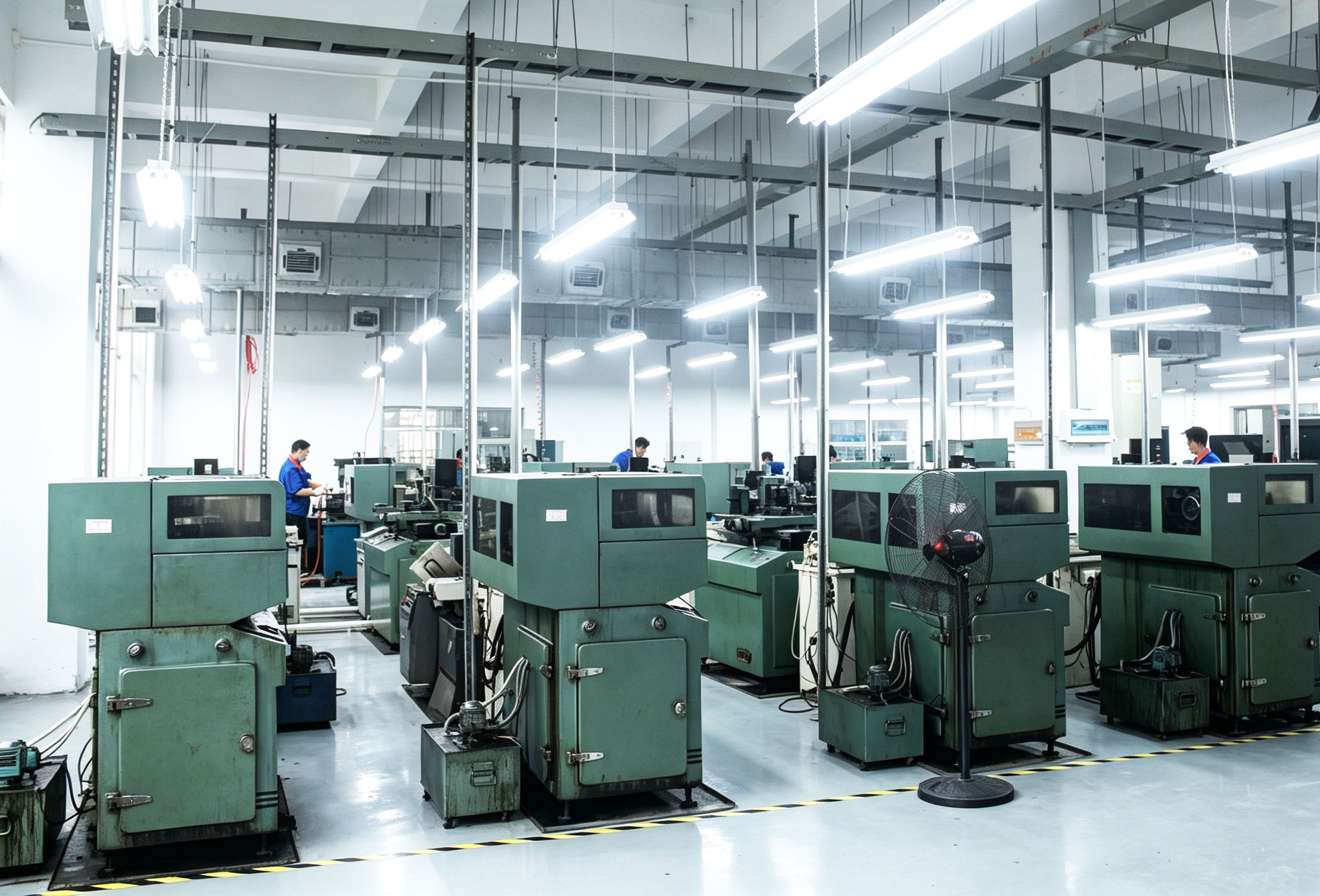
Yortho manufacturing facility — the source of the production and inspection records referenced in a compliance pack.
Yortho is a UK brand operated under YAM Global Limited, with its own manufacturing facility. Registered address: 5th Floor, Building 1, No. 2 Lemin Road, Xinshi Town, Deqing, Huzhou, Zhejiang Province, China 313201.
Have Questions or Need More Details?
Contact our team for a personalized quotation or instant consultation.
Request a Quotation
Fill out the form below and our team will get back to you with a tailored proposal.
WhatsApp Direct Chat
Prefer to chat in real-time? Message us on WhatsApp for instant assistance & quick answers.
- Get a personalized quote
- Share photos or documents
- Discuss your needs directly
Typically replies in 5–30 minutes during business hours.