
Evaluating Orthodontic Bracket Suppliers: From Samples to Scaling
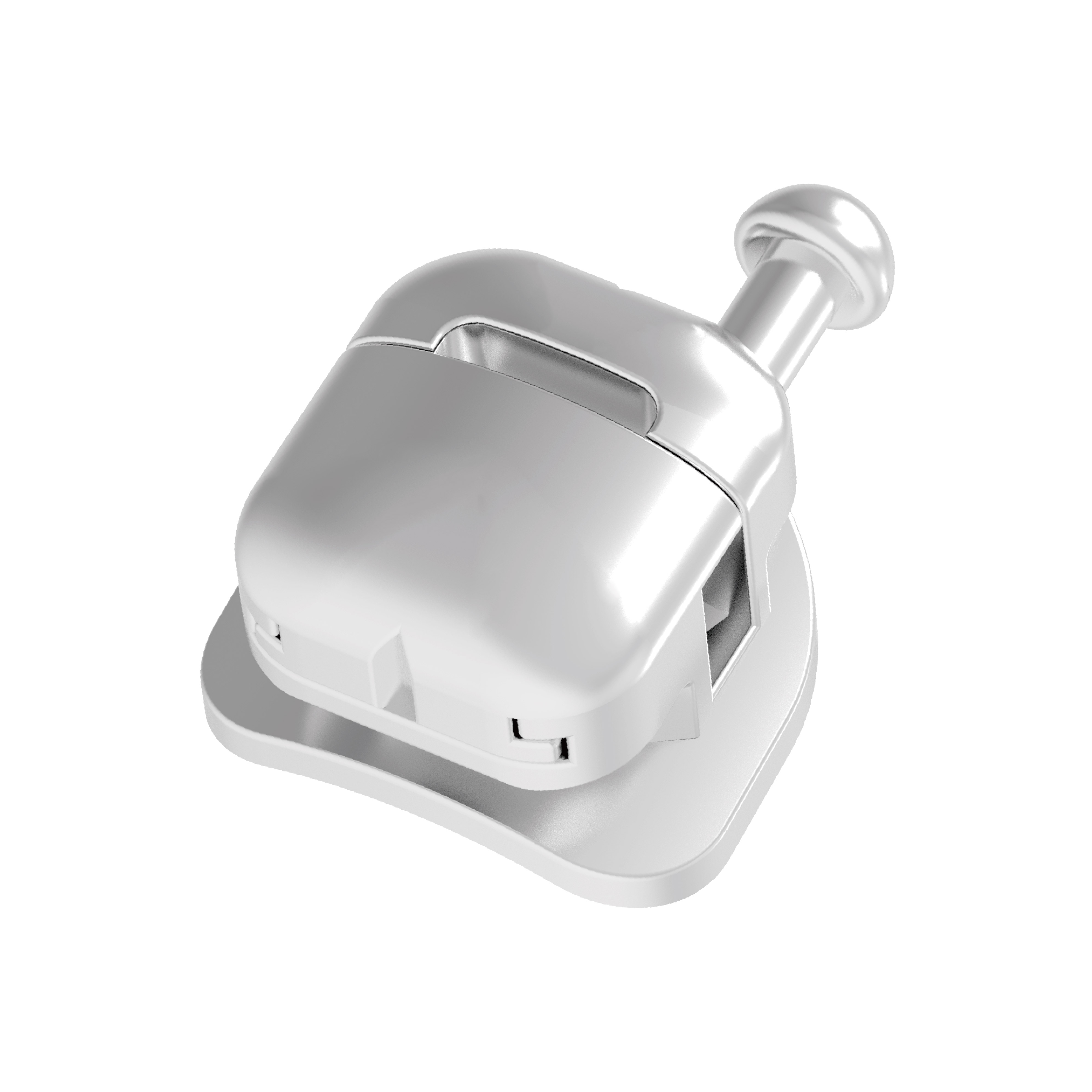
A bracket supplier evaluation should move through four checkpoints in a fixed order: verifiable production consistency, documented quality assurance, measurable communication responsiveness, and scalable capacity with a defined lead time. Sampling only tests part of the first checkpoint — which is why a supplier that performs well on a single sample order can still fail once the same bracket has to be produced, inspected and shipped 5,000 units at a time.
This guide is written for distributors, orthodontic practices, dental hospitals and procurement teams that are comparing bracket manufacturers in the research-to-evaluation stage. It describes what to ask for, which answers are evidence and which are reassurance, and how to move from a sample request to a repeatable supply agreement without discovering a supplier's weak point at the point of delivery. The reference points come from bracket and component specifications available in the Yortho catalogue, together with published category data on the orthodontic supplies market.
Why Bracket Evaluation Usually Fails After the Sample Stage
The sample stage and the volume stage test two different capabilities. A sample order is small, chosen from available stock, inspected by hand and shipped quickly. A volume order is drawn from production lots, packed against a schedule, and inspected at a border. The distance between those two situations is where most bracket sourcing problems appear.
Three failure modes account for most of them:
- Dimensional drift between lots. Slot geometry, base contour and mesh condition must repeat across production runs. A bracket that fits correctly in a sample set can behave differently in a later lot, changing friction characteristics and debonding behavior during treatment.
- Documentation that does not match the product. A certificate that covers a supplier's quality system is not the same document as a test report for the specific bracket model being imported. When the two are confused, shipments are held at customs after the purchase decision has already been made.
- Silent supply gaps. The most common complaint about a low-cost supplier is not quality — it is the unanswered message when a model runs out or a specification needs adjusting mid-project.
Regulatory context matters here because it turns documentation into a product requirement rather than paperwork. In the European Union, orthodontic brackets need CE marking under the Medical Device Regulation (MDR 2017/745). In the United States, the FDA classifies orthodontic brackets as Class II medical devices requiring 510(k) clearance. A buyer evaluating brackets is therefore evaluating a supplier's quality system at the same time.
What the Bracket Category Looks Like Going into 2026
Brackets remain the revenue centre of the orthodontic consumables market, and the supply base is concentrated among a relatively small number of export-oriented manufacturers. Published category data gives a buyer useful scale reference points when comparing suppliers.
- The global orthodontic supplies market was valued at USD 14.8 billion in 2024, according to Global Market Insights.
- Using the narrower definition of orthodontic consumables, Grand View Research values the market at USD 3.1 billion in 2024, projected to reach USD 4.3 billion by 2030.
- Within that consumables segment, the brackets category dominated industry revenue in 2024, per Grand View Research, and the buccal braces segment is expected to capture 89.55% of market share by 2026, according to Fortune Business Insights.
- The Asia-Pacific region is identified by MarketsandMarkets as the fastest-growing market for orthodontic supplies, while China's orthodontic supplies market alone was estimated at USD 713.25 million in 2024 by Market Research Future.
- Orthodontic clinics and standalone practices represent over 50% of the end-user distribution channel, which means most volume buyers are service providers rather than retail channels.
- Stainless steel remains the most widely used material for orthodontic arch wires and brackets, while ceramic self-ligating brackets continue to gain share for aesthetic and friction-reduction reasons.
On the supply side, Chinese dental instrument exports grew 23.99% year-on-year in January–February 2024, with Guangdong, Jiangsu and Zhejiang leading the export provinces. That geographic concentration is useful for a buyer: it means supplier visits, third-party inspection and sample logistics are all feasible within a defined travel footprint. Zhejiang Province is also where Yortho's own manufacturing base is located.
The Four Evaluation Checkpoints, in Order
Checkpoint 1 — Production Consistency You Can Actually Verify
Consistency is verified by comparing, not by asking. Request the same model from two different production lots and measure both with the same instrument. If a supplier cannot supply a second-lot sample, the answer to the consistency question is already known.
The parameters that determine whether a bracket behaves the same way twice are slot size, prescription system, torque version, hook configuration and bonding base condition. In the Yortho catalogue, Metal Orthodontic Brackets (Y-M1 Mini Bracket) and Orthodontic Braces (Y-M2 Self-ligating Bracket) are manufactured from 17-4 and 304 stainless steel and are offered in 0.018" and 0.022" slot sizes, with or without hooks, in Roth, MBT and Edge-wise prescriptions. The Y-M2 self-ligating bracket is supplied 20 pieces per set with an engraved tooth identifier on the base and a slot design intended to lower friction, while the ceramic equivalent, Y-C2 Mini Self-ligating Ceramic Bracket, uses aluminium oxide (Al₂O₃) and the same 18/22 slot and system options.
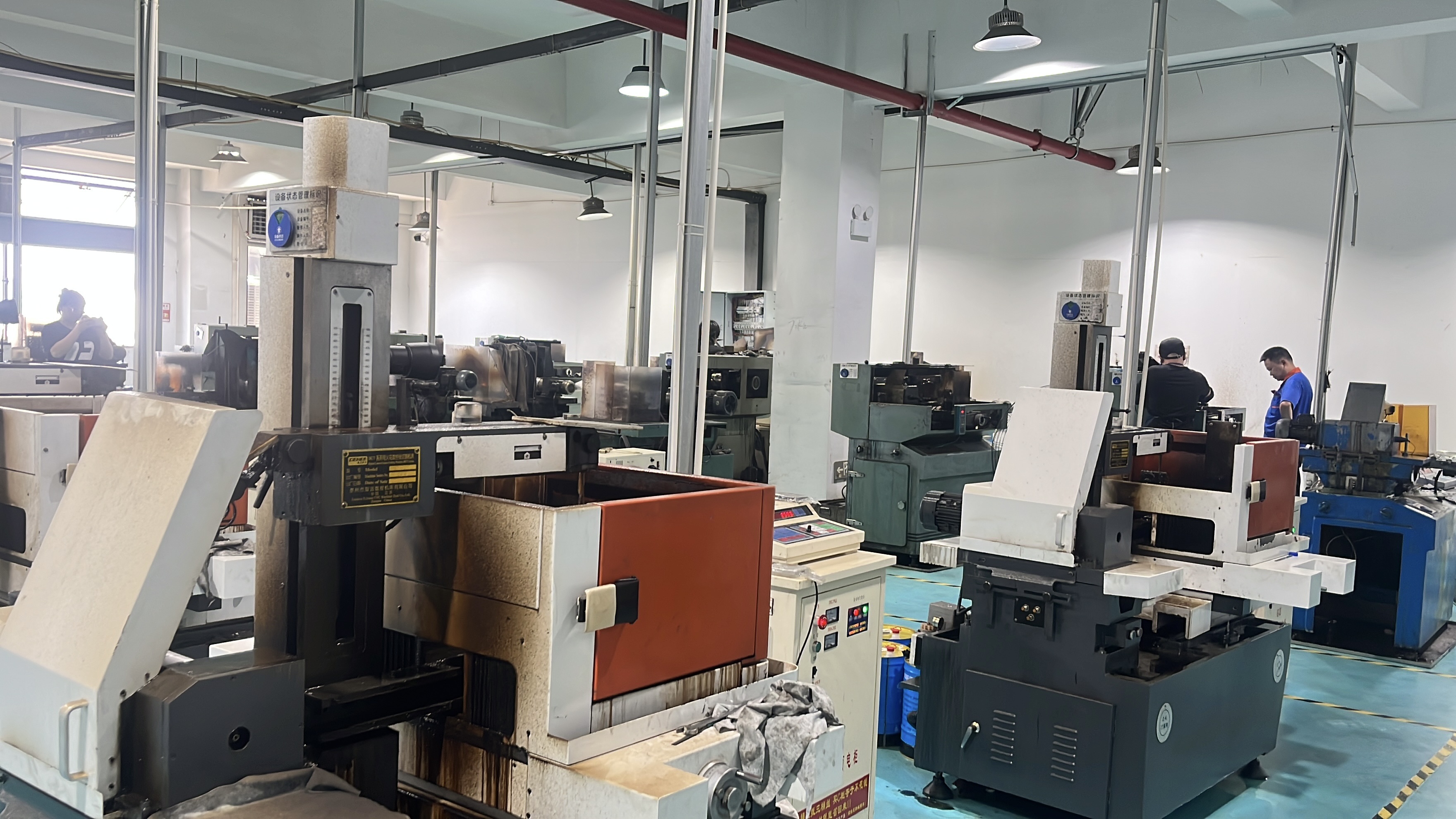
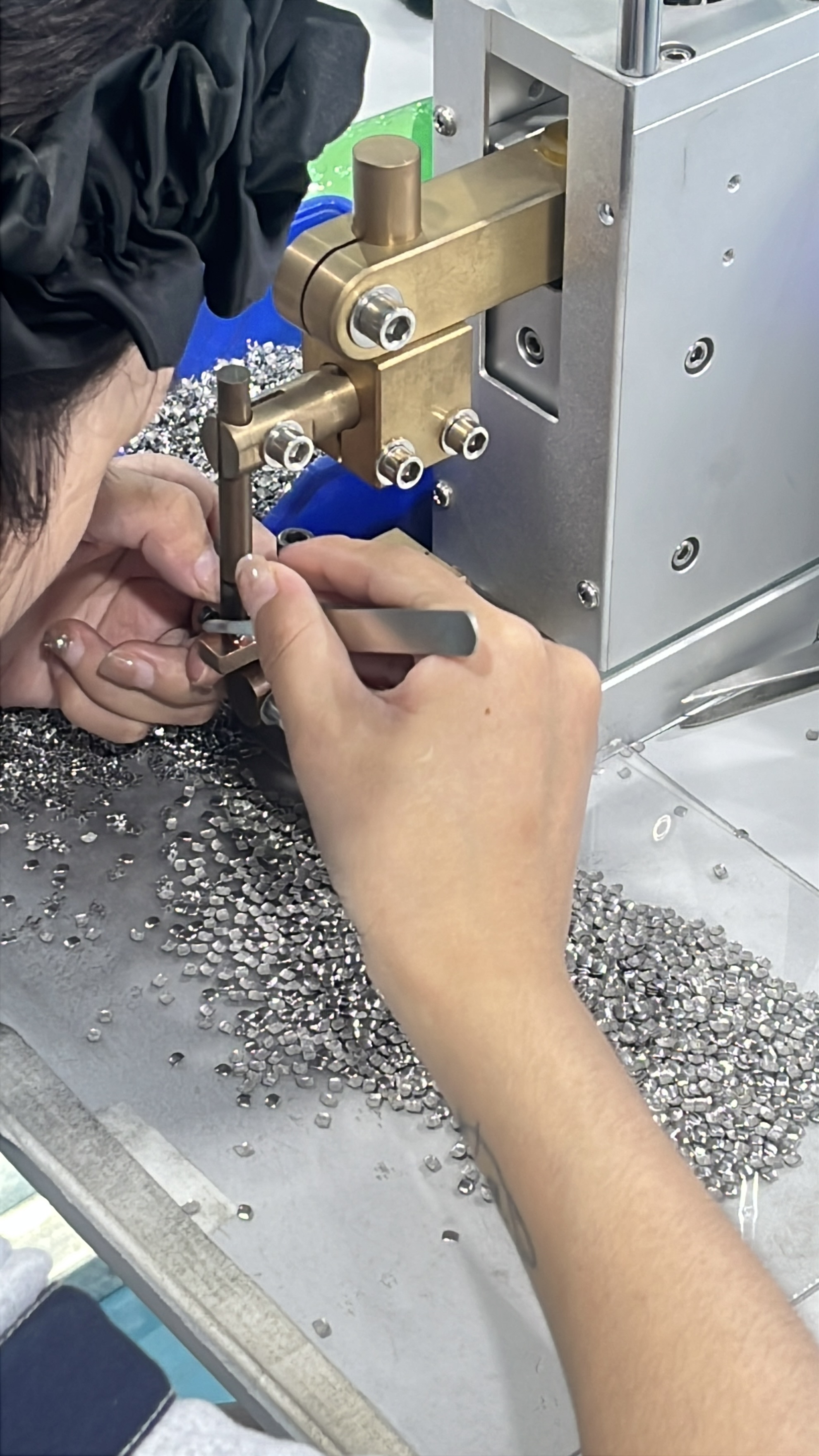
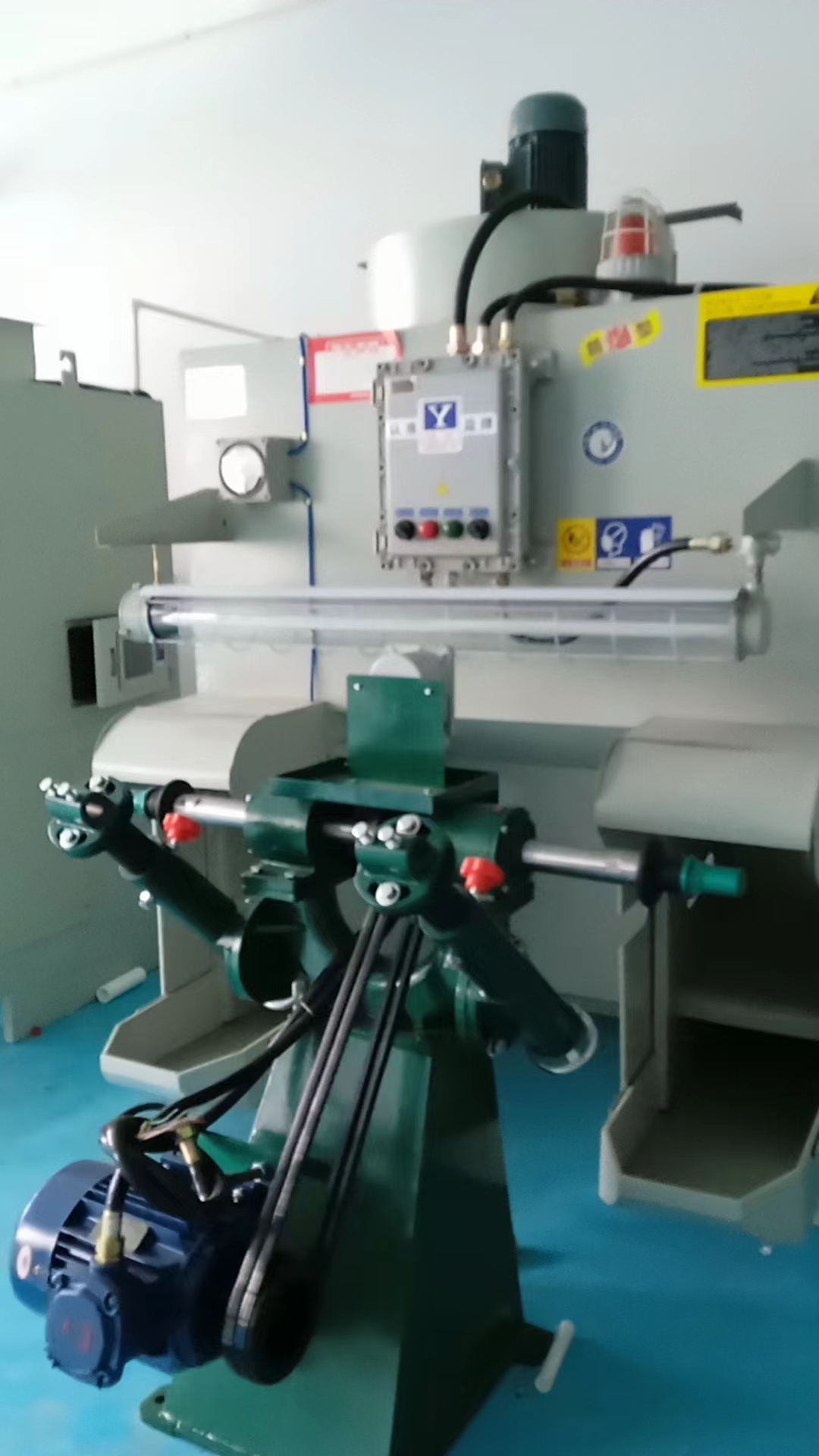
Then ask a single question that separates trading companies from manufacturers: which of these steps are performed inside your factory? Bracket base marking, bracket body positioning, wire-cut EDM and polishing are all documented in-house processes for Yortho. Steps performed in-house can be audited, corrected and scheduled; steps subcontracted to third parties cannot be controlled by the supplier you are negotiating with.
Checkpoint 2 — Quality Assurance and the Scope of the Documents
Quality assurance evidence is only useful when the scope matches the product. Three document questions should be answered before a first volume order.
- Which quality system standard, and what is the certificate scope? ISO 13485:2016 is the recognised benchmark for medical device quality systems in international market access, and the US FDA explicitly recognises it as the primary basis of its Quality Management System Regulation (QMSR).
- Is there a test report for the exact model, not the product family? Ask for the report number and the model it covers.
- How is batch traceability handled? A supplier should be able to trace a shipped carton back to a production lot without a manual search.
Material risk belongs in the same conversation. Nickel and chromium are the primary allergens of concern in metal orthodontic brackets, and some markets require nickel-free or low-allergy material documentation before a product can be listed. This is a scenario requirement rather than an optional extra: brackets placed in a patient's mouth for the length of a treatment are subject to biocompatibility expectations that differ by market.
Yortho's quality documentation set includes FDA registration, ISO quality management system certification and CE certification under the new EU MDR regulation, and the company states that production is 100% tested. Importers are advised to request PDF copies of test reports and certificates and to specify the destination country, because the documentation a customs authority requires differs by market. Suppliers covering multi-jurisdiction quality requirements may also operate under the Medical Device Single Audit Program (MDSAP), which allows a single audit to satisfy QMS requirements across five jurisdictions.
Checkpoint 3 — Communication Responsiveness as a Measurable Criterion
Responsiveness is the checkpoint buyers discuss least and remember longest. It should be measured rather than judged by impression. Three metrics are enough:
- Time to a substantive answer. A reply that contains parameters, tolerances or a document is substantive. A reply that contains reassurance is not.
- Whether risks are raised by the supplier or discovered by the buyer. Suppliers that flag a packaging constraint or a certificate limitation before the order are suppliers that will flag a delay before it becomes a stock-out.
- Continuity of the contact. A single named contact who answers the second message as well as the first is worth more than a shared inbox.
A practical test costs almost nothing: send three specific questions before committing to an order — the slot tolerance, the packaging quantity per model, and the certificate scope — and record the response time and the completeness of each answer. Most buyers find that the preferred supplier changes at least once after this test.
Checkpoint 4 — Capacity, MOQ and Lead Time at Volume
Scaling questions should be answered with numbers before the first purchase order, not after. For Yortho, the published production and commercial parameters are:
- Monthly capacity: 5,000 units, with an annual output of 30,000,000 units across the product range from a 5,000 m² facility staffed by 100 employees, including a 20-engineer R&D team.
- Lead time: 3–7 days for production runs, with standard catalogue products held in warehouse and packable for dispatch within 3 business days after payment confirmation.
- MOQ: 500 units for fully custom OEM production and 1,000 units for ODM rebranding, with a minimum order value of USD 1,000 for standard catalogue orders. A first order carries no MOQ requirement, and customizable production runs can be quoted from 100 units for package, logo, tag and product customization.
- Payment terms: T/T as standard, 100% in advance; for orders above USD 10,000, 30% deposit with the 70% balance due before shipment.
- Export footprint: an 80% export ratio, with products shipped to more than 70 countries and main markets in the EU, USA, Middle East, Australia and Africa.
One point deserves emphasis. A monthly capacity figure only means something when it is compared with your own reorder cycle. If a distributor consumes 1,500 bracket sets in a quarter, a supplier at 5,000 units per month is comfortable; the same supplier is a bottleneck for a project consuming that volume in three weeks.
Step-by-Step: Moving from a Sample Request to Volume Supply
The sequence below is designed so that each step produces a decision, not just an activity. It can be completed in a few weeks for standard catalogue items.
Step 1 — Write the specification before you write the enquiry
Define slot size (0.018" or 0.022"), prescription system (Roth, MBT or Edge-wise), torque version, hook configuration and bonding base requirement. Ask about the buccal tube and band that will be used alongside the bracket at the same time, since bracket systems are purchased as a set. A specification sent as a list is easier to quote accurately than a specification sent as a photo.
Step 2 — Request a documented sample
Ask for physical samples with the model number written on the packaging. For Yortho, samples are available for quality checking; most products are provided free of charge except higher-cost items such as pliers and self-ligating brackets, and the buyer covers courier shipping. If the buyer holds a DHL, FedEx or UPS account, samples can be shipped freight collect.
Step 3 — Run a first-article check
Measure slot dimensions, inspect the base and mesh, and confirm that markings on the bracket correspond to the tooth positions in the prescription chart. Compare the sample against the specification sheet line by line. Any difference found here is inexpensive; the same difference found after a volume shipment is not.
Step 4 — Validate clinically on a bounded group
Place the bracket in a limited number of cases with a clinician who will report honestly. The reported outcome that matters is not patient preference but mechanical behaviour: friction during archwire engagement, debonding rate, and handling time at the chair. In a documented Indonesian dental hospital project using Yortho self-ligating brackets across 3,000 units within a two-year period, the reported highlight was that self-ligating brackets significantly shortened the overall orthodontic treatment duration, alongside stable product performance and good clinical feedback.
Step 5 — Request the documentation pack
Ask for the certificate scope, the model-specific test report, and a batch traceability commitment in writing. Confirm which certificate applies to the market you are importing into, since EU, US and other jurisdictions differ in requirement.
Step 6 — Place a scale-representative pilot order
A pilot of ten units proves nothing about volume production. Order a quantity that represents your realistic reorder cycle — a month or a quarter of normal consumption — and measure three things: arrival time against the quoted lead time, consistency of the delivered lot against the sample, and the quality of the packaging as received.
Step 7 — Convert to a repeatable supply agreement
Fix the specification, the packaging format, the documentation set and the reorder point in one document. Standard catalogue items are held in warehouse and can be dispatched within 3 business days after payment confirmation, which supports a short replenishment cycle; OEM and ODM programmes run on a separate production lead time of 3–7 days. Keeping an agreed duplicate specification on file is what prevents a specification drift between the second and the fifth order.
Scenario Fit: Where the Evaluation Criteria Change
The four checkpoints stay the same across buyer types, but the weight given to each changes by scenario.
Multi-market distributors. The binding constraint is documentation breadth, not unit price. A distribution programme supplying 5,000 units across markets including the UK, US, Germany, France, Italy, Egypt, Australia and Saudi Arabia over a one-to-three-year period depends on certificates that satisfy several customs authorities at once. Consistent product performance and compliance with local hospital clinical requirements were the reported outcomes in this case.
Dental hospitals and larger clinics. The binding constraint is treatment efficiency and reorder reliability. A hospital that standardises on a bracket prescription cannot absorb a stock-out mid-treatment, which makes lead time and reorder discipline more important than a marginal unit cost difference.
Pediatric orthodontic clinics. The binding constraint is range plus small-size availability. Pediatric work requires pediatric bands optimised for primary teeth and juvenile early treatment, preformed pediatric crowns, and extraoral appliances such as the Adaptable Class III Face Mask, which is used during childhood to treat a Class III malocclusion by applying gentle forward-pulling pressure to stimulate growth of the upper jaw. Sourcing these from the same supplier as the bracket system reduces the number of documentation sets and delivery schedules a clinic has to manage.
Dental laboratories and appliance makers. The binding constraint is component compatibility. Bands, buccal tubes and expansion screws have to match the bracket prescription in slot size and system, so system consistency across the component range matters more than the performance of any single item.
Comparison Table: Bracket and Related Components in the Yortho Range
The table below lists bracket options and directly related fixed-appliance components with their published specifications. It is intended as a specification reference during supplier evaluation, not as a ranking.
| Product | Model | Type | Slot size | System | Material | Noted features |
|---|---|---|---|---|---|---|
| Metal Orthodontic Brackets | Y-M1 Mini Bracket | Metal dental brackets | 18, 22 | Roth, MBT, Edge-wise | 17-4 and 304 stainless steel | Hook with / without options |
| Orthodontic Braces | Y-M2 Self-ligating Bracket | Self-ligating metal brackets | 18, 22 | Roth, MBT, Edge-wise | 17-4 and 304 stainless steel | Engraved tooth number on base; 20 pcs per set; low-friction slot design |
| Mini Orthodontic Brackets | Y-M2 Mini Self-ligating Bracket | Self-ligating metal brackets | 18, 22 | Roth, MBT, Edge-wise | 17-4 and 304 stainless steel | Miniature variant of the Y-M2 self-ligating bracket |
| Ceramic Self-ligating Brackets | Y-C2 Mini Self-ligating Ceramic Bracket | Ceramic self-ligating bracket | 18, 22 | Roth, MBT, Edge-wise | Al₂O₃ (aluminium oxide) | Monoblock injection moulding; optimised base for bonding strength |
| Clear Orthodontic Brackets | Y-C2 Mini Self-ligating Ceramic Bracket | Conventional ceramic bracket | 18, 22 | Roth, MBT, Edge-wise | Al₂O₃ (aluminium oxide) | Low-visibility appearance for aesthetic cases |
| Orthodontic Buccal Tubes | Y-T1 Buccal Tube | Metal buccal tubes | 18, 22 | Roth, MBT | Stainless steel | 80-mesh bonding base; 1st and 2nd molar options; sold in 4-piece sets |
| Orthodontic Buccal Tubes | Y-T2 Self-ligating Buccal Tube | Metal self-ligating buccal tubes | 18, 22 | Roth, MBT | Stainless steel | Low / high torque options |
| Orthodontic Bands | Y-H6002 | 1st molar plain rough band | — | Roth, MBT, Edge-wise | Stainless steel | Laser size marking; textured inner surface stated to increase bonding strength by 30%; pre-welded band and tube options |
Specifications as published in the Yortho product catalogue. Torque versions, hook options and packaging quantities should be confirmed on the quotation.
Supplier Evaluation Checkpoints and the Evidence to Request
| Checkpoint | Evidence to request | Why it matters at volume |
|---|---|---|
| Production consistency | Two-lot samples of the same model; measurement method; list of in-house production steps | Slot geometry and base condition must repeat across lots, not only in a sample |
| Quality assurance | Certificate scope; model-specific test report; batch traceability statement; material / allergy documentation | Certificate scope mismatch is a customs and listing risk, not a paperwork detail |
| Communication | Named contact; response time to three specific pre-order questions | Responsiveness predicts how a stock-out or specification change will be handled |
| Scaling capacity | Monthly capacity; quoted lead time; MOQ per programme; payment terms; packaging format | Capacity must be read against your own reorder cycle, not in isolation |
| After-sales | Support channel and scope; documented handling process for quality issues | Determines the cost of a defect after the shipment has cleared customs |
Frequently Asked Questions
What certifications should an orthodontic bracket supplier hold for EU and US imports?
A supplier exporting brackets to regulated markets should be able to show ISO quality management system certification, CE certification under the EU Medical Device Regulation (MDR 2017/745) for European imports, and FDA registration for the United States, where orthodontic brackets are classified as Class II devices. Yortho holds ISO certification, CE certification under the new EU MDR regulation and FDA registration, and can provide PDF copies of test reports and certificates on request. Because required documentation differs by destination, buyers should state the import country when asking, so that the correct certificate set is supplied.
Can a pediatric orthodontic clinic source its full material list from a single bracket manufacturer?
It can, provided the supplier's range extends beyond brackets. Yortho's catalogue covers the fixed-appliance core — brackets, buccal tubes, molar bands and arch wires — alongside pediatric bands sized for primary teeth and juvenile early treatment, preformed pediatric crowns, orthodontic kids crowns in upper and lower D-type and E-type systems with matching contouring and crimping instruments, and the Adaptable Class III Face Mask used in childhood Class III treatment. Auxiliaries such as elastic ligatures, power chains, crimpable hooks, lingual buttons, pliers and hand instruments are supplied from the same catalogue. Sourcing pediatric and standard materials together reduces the number of certificate sets, delivery schedules and packaging formats a clinic has to manage, and a first order carries no MOQ requirement.
What are the MOQ and payment terms for bracket orders?
Minimum order quantities are quoted by programme type. Fully custom OEM production starts at 500 units and ODM rebranding at 1,000 units, while customizable production runs for package, logo, tag and product changes can be quoted from 100 units. Standard catalogue orders carry a minimum order value of USD 1,000, and a first order has no MOQ requirement, which allows a buyer to test the market before committing to volume. Payment is by T/T: 100% in advance as the standard term, or 30% deposit with the 70% balance due before shipment for orders above USD 10,000.
Can I request bracket samples before placing a volume order?
Yes, and samples should be requested before any volume commitment. Yortho provides samples for quality checking; most products are supplied free of charge, with higher-cost items such as pliers and self-ligating brackets being the exception, and the buyer covering courier shipping. If the buyer has a DHL, FedEx or UPS account, samples can be shipped freight collect. Sharing the destination address and postal code allows the supplier to quote the freight accurately. Reviewing slot dimensions, base condition and markings on the sample is a low-cost way to test the production-consistency checkpoint described above.
What is the lead time and what shipping options are available?
Standard catalogue products are held in warehouse and can be packed and dispatched within 3 business days after payment confirmation, while OEM and ODM production runs are quoted at a 3–7 day lead time. Transit then depends on the shipping method: express courier (DHL, FedEx or UPS) takes approximately 3–7 business days; air freight 7–12 days; rail or overland freight 20–30 days for regions such as Europe and Central Asia; and sea freight 25–40 days, which is the most economical option for large bulk orders. Under standard shipping terms such as FOB or CIF, the buyer covers import duties and taxes in the destination country, and the courier handles customs clearance paperwork automatically. To move from evaluation to a firm quotation, send your specification list, target quantities and destination postal code to the Yortho team at www.yortho.com.
Conclusion: Evaluate the Process, Not Only the Product
A bracket that performs correctly in a sample is a starting point, not a supplier decision. The evaluation sequence that holds up in practice is unchanged: verify that production steps are in-house and repeatable, match quality documents to the exact model and destination market, measure communication responsiveness with three specific questions before ordering, and read the capacity figure against your own reorder cycle rather than against the quotation alone.
Brackets accounted for the largest share of orthodontic consumables revenue in 2024, and the category continues to be dominated by stainless steel construction while ceramic self-ligating formats grow on aesthetic and friction-reduction grounds. That means the specification conversation — slot size, prescription system, torque version, hook configuration and bonding base — is still the centre of the buying decision, and it is also the fastest way to separate manufacturers from intermediaries.
For buyers who want to test these criteria before committing, the practical next step is a documented sample request followed by a scale-representative pilot order. Yortho operates its own factory in Zhejiang Province with a 5,000 m² facility and a 20-engineer R&D team, holds ISO certification, CE certification under EU MDR and FDA registration, and quotes OEM and ODM programmes from 500 and 1,000 units respectively.

Request a Sample or Quotation
Send your bracket specification — slot size, prescription system, hook configuration, target quantity and destination country — and the team will confirm model availability, MOQ, lead time and the documentation set required for your market.
Yortho (Zhejiang YO Medical Technology Co., Ltd)
Email: info@yortho.com · Tel / WhatsApp: +86 180-5879-3627
Website: www.yortho.com
Address: 5th Floor, Building 1, No. 2 Lemin Road, Xinshi Town, Deqing, Huzhou, Zhejiang Province, China 313201
Download the full product catalogue: Yortho Brochure (PDF)
Have Questions or Need More Details?
Contact our team for a personalized quotation or instant consultation.
Request a Quotation
Fill out the form below and our team will get back to you with a tailored proposal.
WhatsApp Direct Chat
Prefer to chat in real-time? Message us on WhatsApp for instant assistance & quick answers.
- Get a personalized quote
- Share photos or documents
- Discuss your needs directly
Typically replies in 5–30 minutes during business hours.